Be yourself; Everyone else is already taken.
— Oscar Wilde.
This is the first post on my new blog. I’m just getting this new blog going, so stay tuned for more. Subscribe below to get notified when I post new updates.
Be yourself; Everyone else is already taken.
— Oscar Wilde.
This is the first post on my new blog. I’m just getting this new blog going, so stay tuned for more. Subscribe below to get notified when I post new updates.
A GLOBAL AWARENESS FOR EVERYONE
BY: Adrian Gerard Tolentino
12 – Kepler
COVID PANDEMIC THROUGH THE PERSPECTIVE OF ANTHROPOLOGY
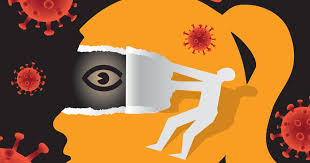
The COVID-19 pandemic has hit the global human population with a one-two punch like perhaps no other entity ever has, at least with regard to the scale and scope that March 2020 patterns and projections portend. Although this disease has not rendered humans powerless, it certainly seems to have shifted the balance of power. The “Coronacene” might well be as worthy of attention as the “Anthropocene.”
No one can predict the future in the face of today’s thorough uncertainty. But anthropologists are well placed to wonder about possible future directions: Will populism fade as the need for strong governmental infrastructure becomes more evident? Will scientific evidence and expert knowledge return to a place of authority in some countries where it has been denigrated? Will nationalist xenophobia lose its appeal in the face of a virus that respects no borders and demands a global response? Will the fissures in populations revealing different and worse consequences from the epidemic along lines of ethnicity, gender, racialization or age compel countries to address the deep causes of such inequities? Or will voices newly expressing a version of social Darwinism win the day?
COVID PANDEMIC THROUGH THE PERSPECTIVE OF SOCIOLOGY
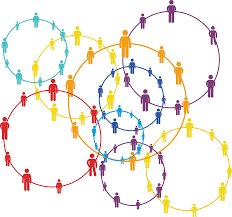
During the early part of 2020 (January 2020), there has been an abundance of critically important research on Covid-19 from medical, epidemiological and virological disciplines. There is now an urgent need for sociologists to engage theoretically and empirically on the social impact of issues related to Covid-19. As we have moved further into 2020, governments around the world, including The Philippines have imposed different types of restrictions on social life, in order to eliminate the spread of Covid-19 and ‘flatten the curve’. These have included imposing various degrees of social isolation or 14 day rule quarantine and restrictions on things like social gatherings, travel, sport and leisure activities (malls, parks,worships and others) and going to work/school/university. This commentary explores the ways in which different branches of social theory can shed light on the implications of Covid-19 restrictions for social life ‘as we know it’.
COVID PANDEMIC THROUGH THE PERSPECTIVE OF POLITICAL SCIENCE
In that spirit, we offer a political science perspective on events and debates surrounding the pandemic and potential considerations for moving forward as Canada ponders an end to confinement and scenarios for recovery. The novel coronavirus originated in China, and that country’s handling of COVID-19 has been the subject of significant debate. The Chinese government began by silencing whistleblowers in the early days of the epidemic and then took drastic measures to control the spread of the virus. China has now reinvented itself as a a international champion battling the COVID-19 Pandemic through generous public and private transfers of personal protection equipment abroad.
China deceived and used coercive measures initially to control information and distort COVID-19 statistics, on which we relied for modelling other countries’ pandemic trajectories. With questions raised about its handling of the virus, China also tried to demonstrate international leadership and benevolence to compensate. This is the contradictory universe of authoritarianism, where the projection of power and influence at home and abroad is built on image. Authoritarian states have always relied on their image as an essential part of how they govern and legitimate themselves. At home, image management is not just about the dictator masquerading as the enlightened despot, it is also often a reminder of what the state stands for and expects from its citizens.
WAYS ON HOW TO PROTECT OURSELVES FROM THE COVID-19 PANDEMIC
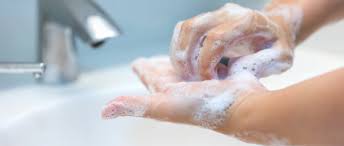
WASH YOUR HANDS EVERY 30 MINUTES
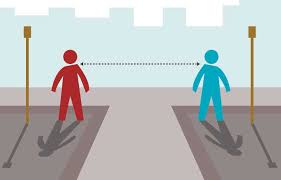
MAINTAIN OR PRACTICE AT LEAST 1 METER SOCIAL DISTANCING TO AVOID THE PASSING OF VIRUS FROM ONE ANOTHER
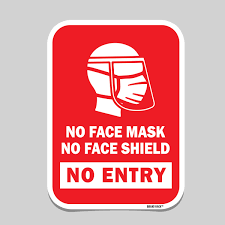
ALWAYS WEAR YOUR FACE MASK AND FACE SHIELD
MORE ABOUT THE COVID PANDEMIC UPDATES
REFERENCES:
https://www.osha.gov/SLTC/covid-19/
https://www.fast-trackcities.org/cities/quezon-city-covid
ABOUT ME
Good Day Everyone!
I am Adrian Gerard Tolentino a 19 year old and also the president of the Samahan ng mga Kabataan, an organization in QueSci. This blog aims to promote awareness about this COVID-19 Pandemic.
Happy Reading!!!
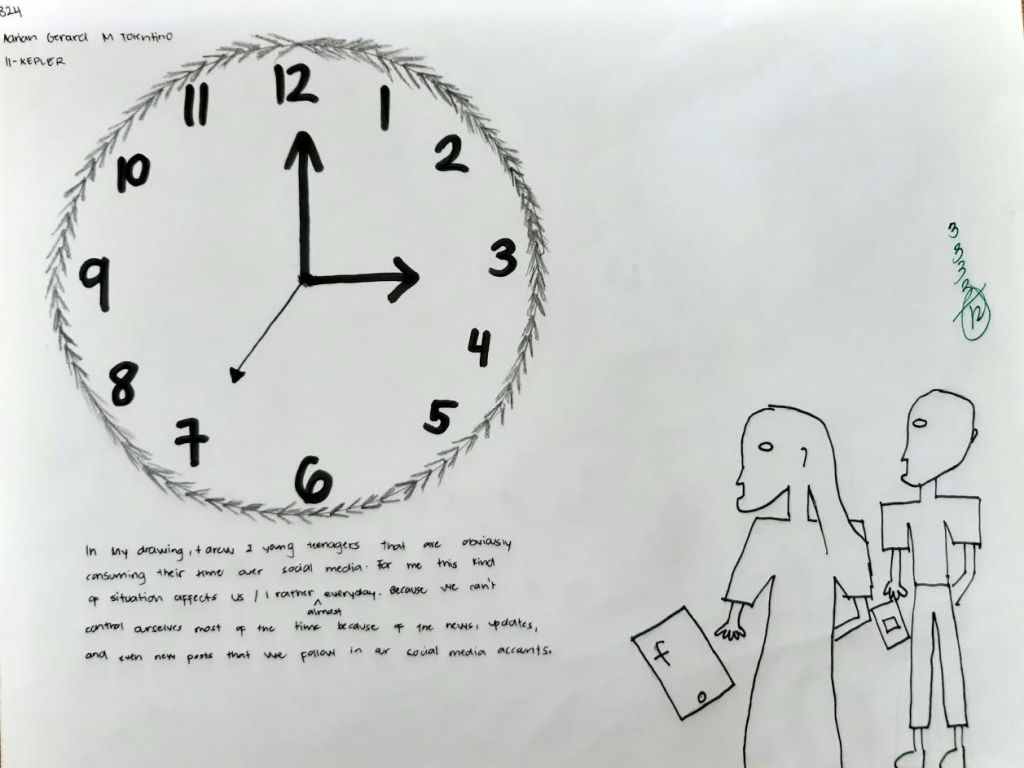
“In the digital age we are witnessing a socio-anthropological transformation of contemporary society and an overload of online information.” (Tridente, Mastroianni, 2017)
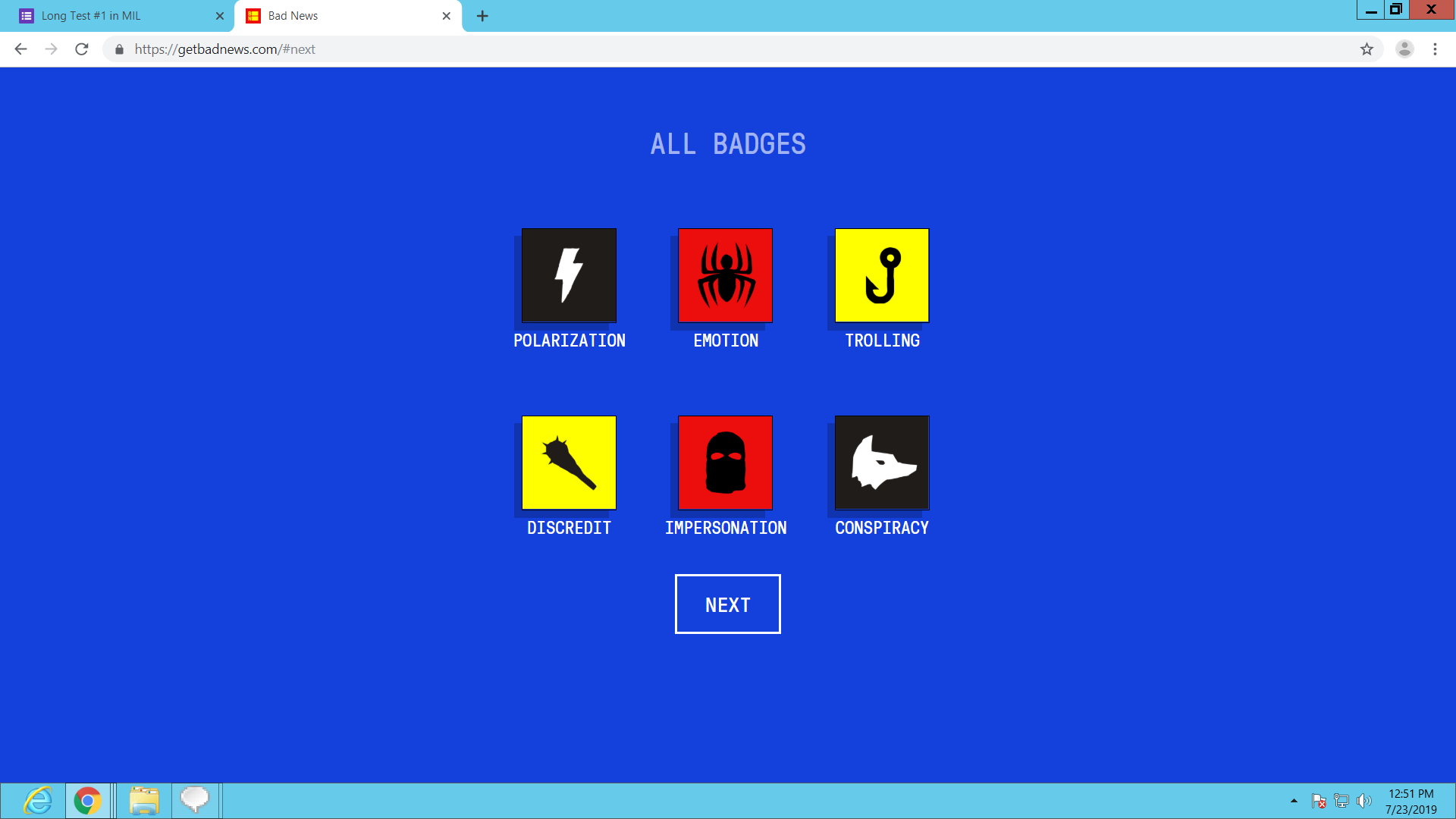
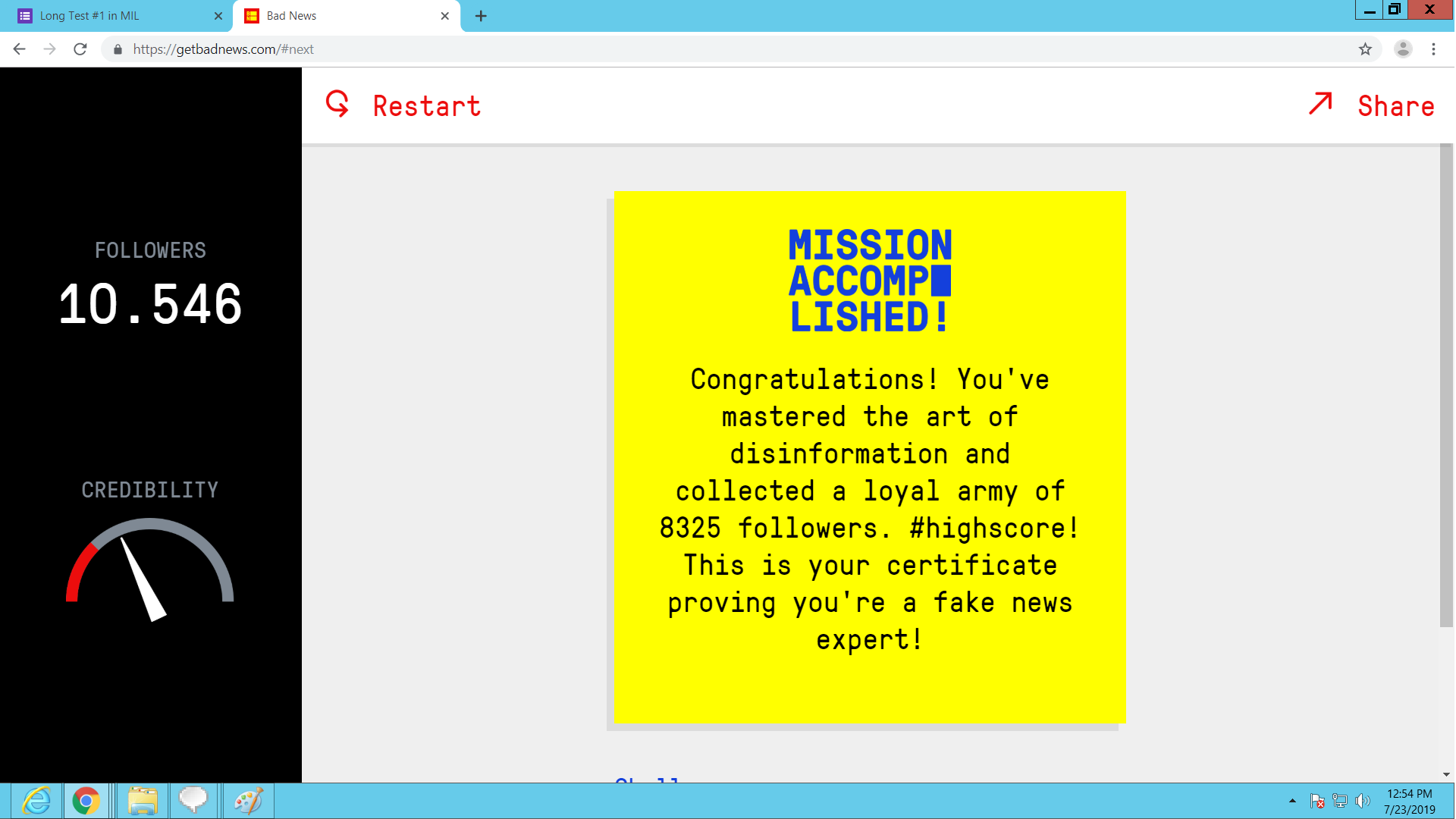
Fake News, also known as “junk news” is a type of propaganda that consists of deliberate disinformation spread via traditional news media. In the game Yesterday, I pretended as a fake news creator wherein my objective was to make the society believe in me.
And I’m also tasked to look an eye to my “followers” and ” credibility” meters and also in every techniques I’ve learned, I will receive a badge and needs to complete it up to 6 badges. And I also need to maintain or get many followers as I can but if the society was disappointed, I may lost many followers as they want. In general Fake News is not a good nor better doing, but Fake News is one of the worst thing that a person can do. Because, you are making the society believe on what is not true/real. How to stop Fake News? First, Consider the Source. Second, Read beyond the headline. Third, Check the Authors. Fourth, Assess the supporting sources. Fifth, Check the date of Publification. Sixth, Ask others if it is a joke. Seventh, Review your own biases. Eight, Ask experts. One of the most difficult and urgent challenges emerging in this complex social scenario is that human beings are not prepared to handle conflicting, ambiguous, unverified information. For me, that the most effective tools to combat disinformation are not technical, but socio-educational
In our generation, We are experiencing the advance technology wherein we could do all the things that we want. Somewhat, the news and update evolves also and it may confused us what is real or what is not. Remember that “Beware of false; knowledge, It is more dangerous than ignorance”
>What I did for us to succeed this output/project was helping my MIL group mates for searching the right or the most accurate terms such as Disinformation, Why do we need Information Literacy and Why it is created?.
>What I enjoyed in doing this output/project is when everytime I search for the terms of a certain word, I helped my group mates and I can also gain a new information or to double check the meaning that I knew to the meaning in the internet rather.
>What I found difficult in doing this output/project is that the using of the website powtoon, because many of us from the class are the first timers to use this kind of an amazing video creator. But, this website is tolerable and easy to get as far as we can.
>What really worked was our Teamwork. As a Team, we helped each other in order to succeed or to pass rather our output/project.
>Next time, I will try to help more as much as I can.
This is an example post, originally published as part of Blogging University. Enroll in one of our ten programs, and start your blog right.
You’re going to publish a post today. Don’t worry about how your blog looks. Don’t worry if you haven’t given it a name yet, or you’re feeling overwhelmed. Just click the “New Post” button, and tell us why you’re here.
Why do this?
The post can be short or long, a personal intro to your life or a bloggy mission statement, a manifesto for the future or a simple outline of your the types of things you hope to publish.
To help you get started, here are a few questions:
You’re not locked into any of this; one of the wonderful things about blogs is how they constantly evolve as we learn, grow, and interact with one another — but it’s good to know where and why you started, and articulating your goals may just give you a few other post ideas.
Can’t think how to get started? Just write the first thing that pops into your head. Anne Lamott, author of a book on writing we love, says that you need to give yourself permission to write a “crappy first draft”. Anne makes a great point — just start writing, and worry about editing it later.
When you’re ready to publish, give your post three to five tags that describe your blog’s focus — writing, photography, fiction, parenting, food, cars, movies, sports, whatever. These tags will help others who care about your topics find you in the Reader. Make sure one of the tags is “zerotohero,” so other new bloggers can find you, too.

 adrians blog